How to Choose Swift Current Top Rated Custom Home Builder
How to Select the Ideal Home Builders for Your Custom Home
Choosing the right home builders for a custom living space requires meticulous planning. It is crucial to establish personal visions and requirements before initiating the search. Potential builders should be examined comprehensively to guarantee alignment with these preferences. However, the process does not end there. Understanding the subtleties of builder qualifications and communication can substantially impact the overall experience. What steps should one take next to secure a successful collaboration?
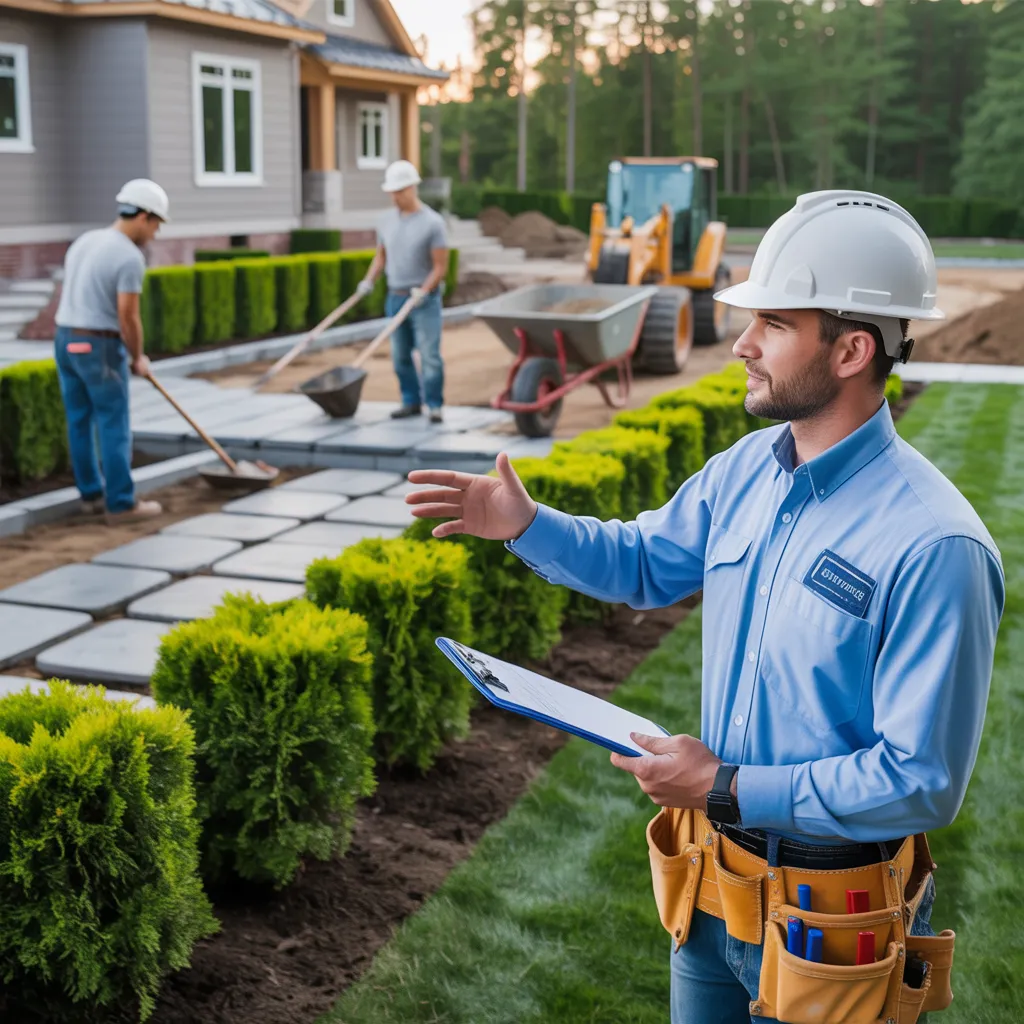
Clarify Your Vision and Specifications
Defining a vision and requirements is an essential first step in the home-building process. This stage requires a thorough reflection on what the homeowner wants in their custom living space. It requires identifying crucial elements such as the number of bedrooms, layout preferences, and overall architectural style. Homeowners should also consider functionality, guaranteeing that the design meets their lifestyle and future needs.
In addition, determining a budget is important, as it impacts all future decisions. A precise vision facilitates optimize the decision-making process and facilitates effective communication with builders. Homeowners are recommended to visualize their ideal space, maybe incorporating inspiration from diverse sources like magazines or online platforms. By expressing precise requirements, they can confirm that their dream home aligns with their personal tastes and practical requirements. This fundamental step sets the stage for a fulfilling and rewarding home-building journey.
Explore Possible Builders
When homeowners have defined their objectives and specifications, the next step involves researching potential builders who can realize their plans. This process starts by collecting recommendations from relatives, acquaintances, and internet feedback, which assist in developing a shortlist of candidates. Homeowners should review builders' websites to analyze their portfolios, examining the styles and quality of past projects. Moreover, social media platforms can offer insights into customer interactions and satisfaction.
It's advantageous to attend local home shows or exhibitions, where builders showcase their work and engage directly with potential clients. Homeowners can also explore joining online forums or community groups dedicated to home building, where they can seek opinions and experiences from others. By extensively researching and comparing builders, homeowners can make informed decisions, making sure the selected builder aligns with their specific needs and aesthetic preferences.
Verify Professional Background and Experience
Prior to committing to a builder, it is vital for homeowners to check their credentials and experience to ensure they possess the appropriate qualifications. This process commences by verifying the builder's licensing and insurance, which ensures compliance with local regulations and protects homeowners from potential liabilities. Homeowners should also question the builder's years in the industry, as a experienced builder often reflects reliability and expertise.
Additionally, it is important to assess any relevant certifications or memberships in professional organizations, which can demonstrate a commitment to quality and ongoing education. Homeowners can benefit from checking for any disciplinary actions or complaints against the builder, which can provide perspective into their business practices. Evaluating a builder's experience with specific types of projects, such as custom homes, can further help homeowners determine if the builder is the right fit for their specific vision and requirements.
Examine Previous Work and Portfolios
A thorough examination of a builder's portfolio and completed work is vital for homeowners looking to build a custom living space. This process permits clients to assess the quality of craftsmanship and design versatility that the builder provides. By reviewing completed projects, homeowners can determine whether the builder's style fits with their own vision, whether it be contemporary, classic, or diverse.
Additionally, portfolios frequently showcase a variety of projects, offering insight into the builder's experience with diverse materials and techniques. Homeowners should pay attention to the details in the photographs, such as finishes, layouts, and overall aesthetics. It is also beneficial to look for testimonials or case studies that demonstrate the builder's ability to satisfy deadlines and budgets. Eventually, a well-rounded portfolio can act as a dependable indicator of a builder's capability to deliver a custom living space that aligns with the homeowner's expectations.
Review Communication and Compatibility
The quality of a builder's communication can significantly impact the success of a custom living space project. Good communication makes certain that the builder comprehends the homeowner's vision, preferences, and concerns. This alignment is essential for turning concepts into reality and steering clear of misunderstandings that can result in costly delays.
Compatibility between the homeowner and the builder is equally important. A positive working partnership cultivates trust and teamwork, permitting both parties to handle difficulties more successfully. Homeowners must determine if the builder's values, work standards, and methods correspond with their preferences.
Participating in open discussions during initial consultations can deliver insights into the builder's responsiveness and willingness to listen. Questions about previous projects and problem-solving strategies can moreover reveal how well the builder adapts to specific situations. Ultimately, prioritizing communication and compatibility can substantially enhance the total experience and satisfaction with the custom living space journey.
Get Thorough Cost Estimates and Contracts
As you navigate through the process of creating a custom home, securing detailed estimates and contracts is vital for homeowners. These documents function as the foundation for the complete project, detailing costs, timelines, and specific deliverables. A complete estimate should separate expenses for materials, labor, permits, and any additional fees, providing transparency and helping homeowners understand where their money is distributed.
Contracts need to clearly establish the scope of work, payment schedules, and project milestones, ensuring all parties are aligned on expectations. Homeowners should assess these documents in detail, asking questions or seeking clarification wherever required. It is also advisable to compare estimates from different builders to gauge the market rate and avoid potential overpricing. By securing explicit, complete estimates and contracts, homeowners can shield themselves from unexpected costs and misunderstandings, enabling a smoother home-building experience.
Check Reviews and Get Recommendations
What impacts a homeowner's pick of builder more than firsthand accounts shared by others? Reading reviews and seeking recommendations can provide invaluable insights into a builder's reliability, quality of work, and customer service. Homeowners typically turn to online platforms, social media, and community forums to gather feedback from earlier clients. Positive reviews can emphasize a builder's strengths, while negative feedback may expose potential challenges.
Furthermore, personal referrals from colleagues, friends, or relatives carry significant weight, as these sources are generally trusted and can give first-hand accounts of their experiences. Homeowners should consider not only the amount of reviews but also the consistency of the feedback obtained. By collecting information from various sources, they can make a more informed choice, ensuring that the selected builder fits their vision and expectations for their custom living space. In the end, thorough research can result in a more satisfying construction experience.
FAQ
What Is the Expected Duration of the Custom Home Building Process?
The custom home building process typically takes between 6 months and 2 years, Contegrity Homes Ltd contingent upon factors including design complexity, permit acquisition, weather conditions, and the builder's schedule, which all significantly impact the timeline.
Can I Make Changes During the Building Process?
Modifications can commonly be made in the course of the construction process, based on the builder's procedures and point of construction. That said, considerable modifications may cause additional costs and delays, so dialogue with the builder is necessary.
What Home Warranties Are Offered by Builders on New Construction?
Builders typically offer warranties on new homes that cover structural defects, workmanship, and materials for designated timeframes. These warranties guarantee quality and protect homeowners from prospective concerns, differing in coverage scope and duration based on the builder's guidelines.
How Do Builders Address Unexpected Issues or Delays?
Builders typically address unexpected issues or delays by quickly communicating with clients, assessing the situation, and adapting timelines or budgets as necessary. They often implement solutions to minimize disruption and ensure project completion aligns with projected goals.
What Financing Choices Are Available for Custom Home Projects?
Different financing alternatives for custom home construction projects include home equity lines of credit, construction loans, personal loans, and traditional mortgages. Each solution delivers unique perks, enabling homeowners to identify the optimal fit for their financial condition.